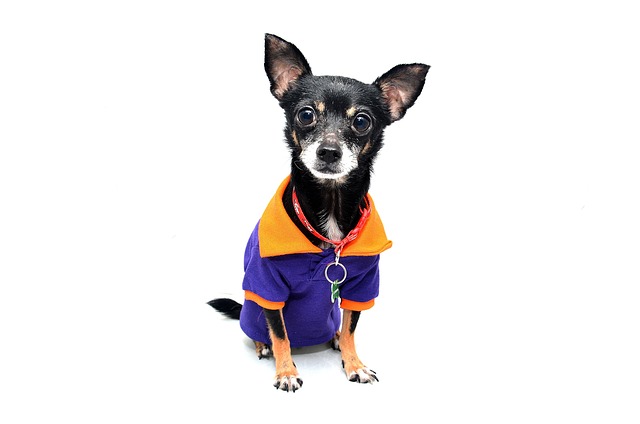
Albany Pet Friendly Housing: A Comprehensive Guide
Introduction
Welcome to an in-depth exploration of a growing trend in urban living—Pet Friendly Housing in Albany, a concept that is transforming the way we think about homes and their inhabitants. In today's world, where pets are considered family members, creating spaces that cater to their needs and well-being has become a priority. This article aims to provide an extensive overview of pet-friendly housing in Albany, delving into its definition, global impact, economic implications, technological innovations, regulatory framework, challenges, and the bright future it holds. By the end, readers will have a comprehensive understanding of this evolving sector and its significance in the modern real estate market.
Understanding Albany Pet Friendly Housing: Defining the Concept
What is Albany Pet Friendly Housing?
Albany pet-friendly housing refers to residential properties designed or adapted to accommodate pets, ensuring their comfort, safety, and ease of living alongside their human companions. This concept goes beyond simply allowing pets in homes; it involves creating environments that cater to various species' unique needs, from specialized spaces for active dogs to tranquil areas for anxious cats.
Core Components:
- Accessible Entry Points: Entrances and doors that are easy for pets to navigate, often equipped with pet doors or low thresholds.
- Pet-Proofing: Implementing safety measures like childproof gates, cabinet locks, and secure trash cans to prevent access by curious animals.
- Dedicated Spaces: Specific areas designated for different activities, such as play areas for dogs, cat trees, or quiet nooks for reptiles.
- Amenities: Features like dog washing stations, pet-friendly landscaping, and shared outdoor spaces designed with pets in mind.
- Pet Care Integration: Some buildings offer on-site pet services, including grooming, veterinary care, and pet sitting.
Historical Context:
The concept of pet-friendly housing has evolved significantly over the years, reflecting changing societal attitudes towards animals. Historically, pets were often considered part of the family but not integral to home design. However, as pet ownership increased and the human-animal bond strengthened, the demand for pet-accommodating homes grew. Albany, known for its vibrant community and diverse population, has embraced this trend, becoming a hub for innovative pet-friendly housing solutions.
Global Impact and Trends
International Influence:
The idea of pet-friendly housing has spread globally, with cities worldwide adopting similar initiatives. From Tokyo's cat cafes to London's dog-centric apartment blocks, the world is recognizing the importance of integrating pets into urban living. Albany, as a cultural hub, has played a role in this global movement, sharing best practices and inspiring other cities.
Key Trends:
- Urbanization and Pet Ownership: The surge in urban living has led to higher pet ownership rates, creating a direct demand for pet-friendly housing options.
- Human-Animal Bond: A growing understanding of the psychological and emotional benefits of pets has led to a stronger desire for homes that support this bond.
- Sustainability Focus: Eco-conscious pet owners are seeking residential options that align with their values, leading to the development of sustainable pet-friendly buildings.
- Tech Integration: Technological advancements are being incorporated into pet care, from smart feeders to interactive play devices, influencing housing design and amenities.
Regional Variations:
Different regions have unique approaches to pet-friendly housing:
- In Asia, compact urban living often means vertical pet-friendly apartments with shared outdoor spaces.
- North American cities focus on community gardens and dog parks within residential complexes.
- European countries emphasize pet-friendly landscaping and accessible public spaces.
Economic Considerations
Market Dynamics:
The demand for pet-friendly housing has created a niche market with significant economic implications:
- Rental Market: Pet owners are willing to pay a premium for suitable accommodations, increasing rental rates in the pet-friendly segment.
- Real Estate Values: Properties catering to pet owners often command higher prices due to their exclusivity and desirability.
- Property Management: Specialization in managing pet-friendly buildings requires unique skills and knowledge, impacting operational costs.
Investment Patterns:
- Real Estate Investors: Many investors are attracted to pet-friendly housing for its potential for high occupancy rates and strong tenant retention.
- Start-up Opportunities: The market gap in pet-focused real estate has birthed numerous start-ups offering innovative solutions, from pet-sitting services to pet-centric co-living spaces.
- Government Incentives: Some regions offer tax incentives or grants to encourage the development of pet-friendly housing, further stimulating investment.
Economic Impact:
Albany's pet-friendly housing market contributes to:
- Local employment through construction, property management, and pet-related businesses.
- Increased revenue for city services, such as animal control and park maintenance.
- Broadened tax bases due to higher occupancy rates and property values.
Technological Advancements
Smart Homes for Pets:
Technology is revolutionizing pet care within homes:
- Smart Feeders: Automated feeders that dispense food at set times or based on activity levels, ensuring pets eat healthily.
- Wearable Devices: Tracked collars and leashes providing real-time location and health monitoring for pets.
- Interactive Toys: High-tech toys that engage pets mentally and physically, preventing boredom and promoting exercise.
Building Integration:
- Automated Systems: Smart buildings equipped with sensors that detect pet presence, adjusting lighting, temperature, and security settings accordingly.
- Pet Care Apps: Mobile applications allowing tenants to manage pet care, book grooming appointments, and connect with local pet services.
- Virtual Pet Sitters: AI-powered solutions offering remote pet supervision and play sessions for stressed or anxious pets.
Future Potential:
Technological advancements hold the key to:
- Personalized pet care tailored to individual animal needs.
- Enhanced pet safety through advanced tracking and monitoring systems.
- Energy-efficient homes that adapt to the presence of pets, optimizing comfort and sustainability.
Policy and Regulation
Regulatory Framework:
The development and management of pet-friendly housing are subject to various laws and regulations:
- Building Codes: Local building codes dictate structural requirements for pet accommodation, including ventilation, lighting, and accessibility.
- Health and Safety: Regulations ensure the well-being of both pets and humans, covering areas like pest control, waste management, and noise levels.
- Landlord-Tenant Rights: Agreements and laws protect the rights of both parties regarding pet ownership, deposit policies, and lease terms.
Pet-Friendly Policies:
Some cities have implemented specific policies to encourage pet-friendly housing:
- Pet Friendly Building Designations: Cities may offer incentives or certifications for buildings that meet certain pet-friendly criteria.
- Rental Registration Programs: Mandatory registration of pets can help manage potential issues and ensure responsible pet ownership.
- Pet-Centric Amenities: Local governments can invest in public spaces, such as dog parks and cat cafes, fostering pet-friendly communities.
Challenges in Regulation:
- Balancing Needs: Regulators must consider the needs of diverse pet owners while ensuring the comfort and safety of all residents.
- Enforcement Consistency: Consistent application of regulations across different properties can be challenging due to varying local practices.
- Evolving Technology: Keeping policies up-to-date with rapid technological advancements in pet care is essential but complex.
Challenges and Criticisms
Common Obstacles:
- Space Constraints: Converting existing buildings for pet-friendly use may be limited by space, requiring creative design solutions.
- Noise Concerns: Pets, especially dogs, can cause noise disturbances, leading to conflicts with neighboring residents.
- Damage and Maintenance: Pet ownership increases the risk of property damage, necessitating higher maintenance standards and deposits.
- Allergies: Some individuals may have allergies to pets, creating challenges in finding suitable accommodations.
Criticisms and Solutions:
- Overregulation: Critics argue that excessive regulations might hinder development, but balanced policies ensure responsible pet ownership without stifling innovation.
- Inconsistent Quality: To address concerns about substandard pet care, strict licensing and inspection systems for pet services within buildings are essential.
- Community Acceptance: Encouraging open dialogue between pet owners and neighbors can foster understanding and reduce potential conflicts.
- Accessibility: Ensuring that pet-friendly housing is accessible to all income levels through affordable options and inclusive policies is crucial.
Case Studies: Successful Applications
1. The Pet-Centric Co-Living Space:
In the heart of Albany's bustling downtown, a start-up launched a co-living space tailored for pet owners. This building offers private apartments with large windows for natural light and dedicated play areas. Shared spaces include an indoor dog park, cat climbing towers, and a community garden. The initiative has been a success, attracting young professionals and fostering a vibrant pet-loving community.
2. Smart Apartment Complex:
A major real estate developer constructed a high-rise apartment complex with advanced smart home technology focused on pet care. Features include automated feeders, interactive toys, and an AI-assisted virtual pet sitter. The building also has an on-site pet spa and a pet-friendly rooftop garden. Tenants appreciate the convenience and peace of mind offered by this innovative pet-centric design.
3. Urban Dog Park Renovation:
The city renovated an existing park, transforming it into a multi-purpose pet zone. The project included a large off-leash dog area, agility courses, and a community garden. This renovation not only provided a dedicated space for pets but also brought residents together through organized events and social gatherings.
Future Prospects
Emerging Trends:
- Sustainable Pet Housing: Eco-conscious developers are creating buildings with energy-efficient features, green roofs, and pet-friendly recycling programs.
- Senior-Pet Friendly Living: With the aging population, there is a growing demand for housing that caters to both seniors and their pets, promoting independent living.
- Virtual Pet Care Services: The integration of virtual reality in pet care will offer remote sessions for training, play, and therapy, making pet ownership more accessible.
Strategic Considerations:
- Collaborative Partnerships: Collaborating with local pet businesses, animal welfare organizations, and community groups can enhance the appeal and quality of pet-friendly housing.
- Inclusivity: Designing spaces that cater to diverse pets, including reptiles, birds, and small animals, will broaden the market appeal.
- Tech Integration: Embracing emerging technologies in building design and management will create smarter, more efficient pet-friendly environments.
- Regulatory Flexibility: Adapting regulations to accommodate new trends while ensuring safety will be crucial for future developments.
Conclusion
Albany pet-friendly housing represents a significant shift in urban living, recognizing the integral role pets play in modern families' lives. Through thoughtful design, innovative technology, and sensible regulation, this concept has transformed into a vibrant, growing sector. As cities continue to evolve, the demand for pet-accommodating homes will only increase, shaping the future of urban communities. By addressing challenges, embracing technological advancements, and fostering community engagement, Albany can cement its position as a leader in pet-friendly housing, setting a global example for inclusive, pet-centric living.
FAQ Section
Q: Are pet-friendly buildings more expensive to maintain?
A: While initial setup costs may be higher, well-managed pet-friendly buildings can have lower maintenance expenses in the long run due to reduced damage and better tenant retention.
Q: How do I know if a building is truly pet-friendly?
A: Look for designated pet spaces, amenities like grooming stations, clear pet policies, and happy tenant reviews focusing on pet care.
Q: Can pets cause noise disturbances in pet-friendly buildings?
A: While pets may cause occasional noises, strict building rules, responsible pet ownership, and community communication can minimize disruptions.
Q: Is pet-friendly housing only for young professionals?
A: Absolutely not! Pet owners of all ages and backgrounds appreciate pet-friendly accommodations, making it a diverse market.
Q: How can I find pet-sitting services in my pet-friendly building?
A: Many buildings offer on-site pet care services or have dedicated apps where you can connect with local pet sitters for reliable and convenient options.